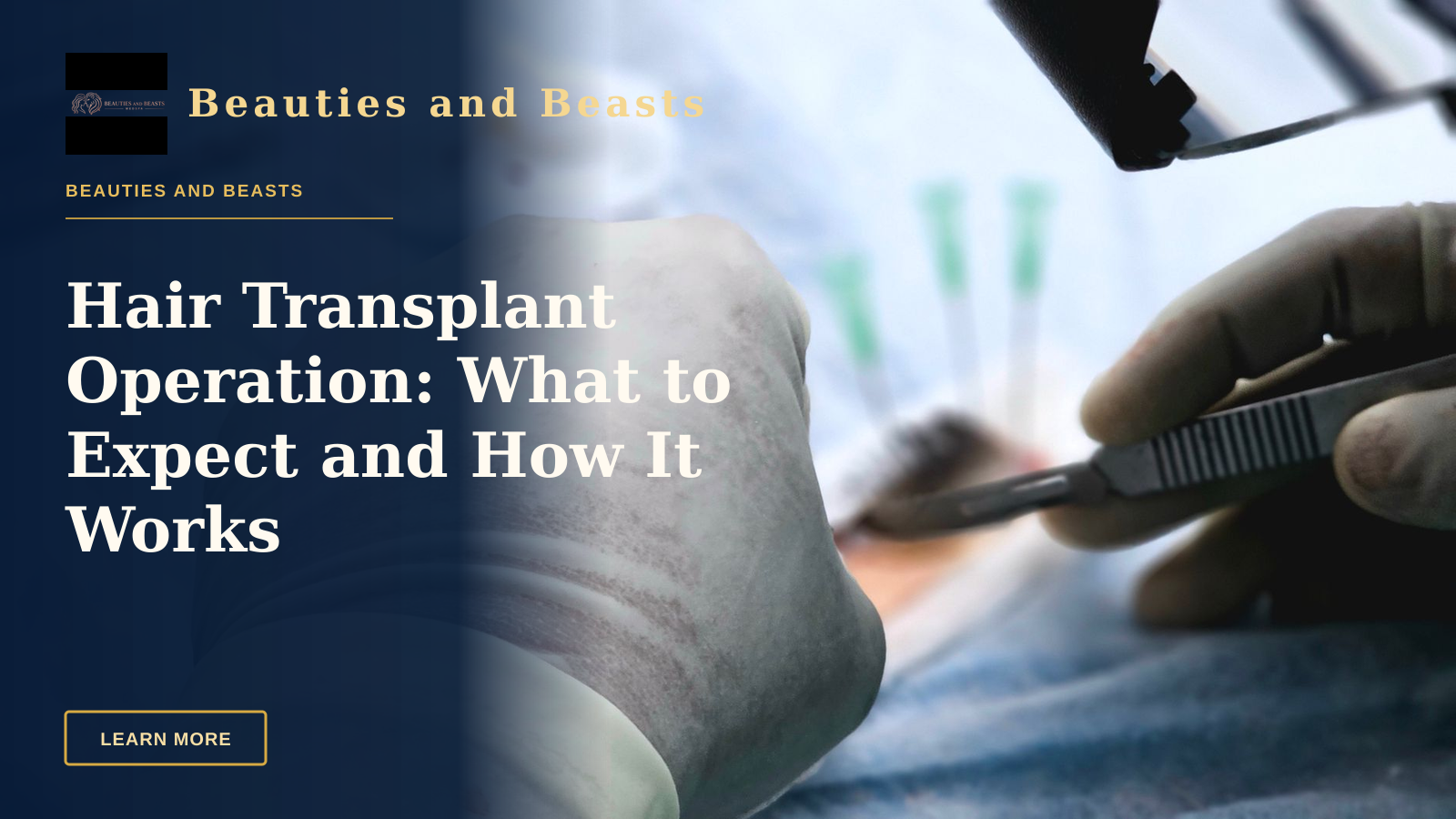
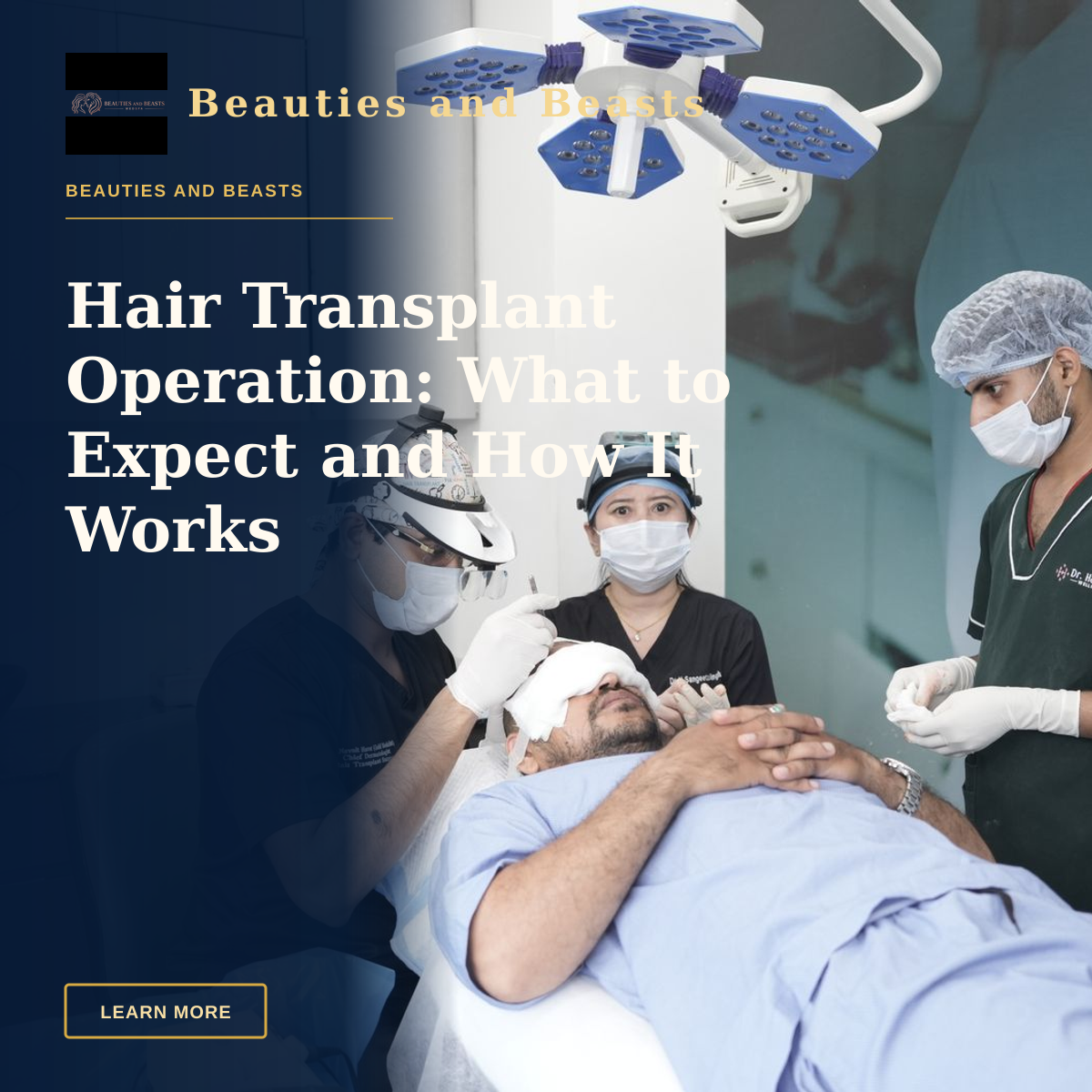
A hair transplant operation is a surgical procedure that moves hair follicles from a donor area to thinning or balding sites. The most common modern method is Follicular Unit Excision (FUE), which extracts individual follicular units and implants them where hair density is needed. This article answers, up front, what happens during a hair transplant operation, how recovery usually looks, and how to pick the right clinic for safe, natural results.
If you’re evaluating clinics, note that some practices combine surgical FUE with noninvasive regrowth technologies and regenerative biologics to optimize outcomes. Beauties and Beasts Med Spa in Ken Caryl (Littleton, CO) offers surgical FUE hair transplantation alongside noninvasive InFuze TED regrowth therapy and in‑house regenerative treatments like PRF and MSC Exosomes, which can be helpful to discuss during a consultation.
Patient Journey & Consultation
Start by booking a complimentary consultation (phone or online). Initial contact is typically handled by our team—call (303) 933‑8526 or request an appointment online—to discuss your goals, medical history, and timeline. Many clinics now offer an AI pre‑scan workflow to accelerate triage; we use FlowMediQ AI scans to capture objective skin and scalp data in under two minutes, which helps plan treatment options more precisely.
At the consultation you can expect a review of donor density, pattern of hair loss, and candidacy for FUE versus non‑surgical alternatives. If surgical FUE is appropriate, your provider will outline the estimated number of grafts, an approximate procedural timeline, anesthesia plan (local with or without oral sedation), and recovery expectations. Expect realistic before/after photos and a discussion about adjunctive measures such as PRF or topical therapies.
We present a custom treatment plan that includes a clear cost framework, financing options, and scheduling for follow‑ups. Neurotoxin, filler, and many in‑office procedures have short appointment times, but surgical sessions vary—FUE can be a full‑day process depending on graft count. Book online to secure a complimentary consult or a pre‑operative review: Schedule an appointment.
Key points prospective patients find helpful:
- Objective pre‑op assessment (donor mapping and photos) reduces surprises.
- Customized plan includes surgical and non‑surgical timelines and follow‑up.
- Regenerative adjuncts (PRF, Exosomes) may be recommended for improved healing and graft support.
After the consult you’ll receive a written plan and pre‑op instructions. A structured follow‑up schedule—immediate post‑op checks, early healing reviews, and long‑term density monitoring—helps maximize graft survival and aesthetic balance.
Beauty & Wellness, Right at Your Fingertips
Download the Beauties and Beasts App and start earning, saving, and feeling your best.
Get more from your Beauties and Beasts experience with our app. Earn rewards with every visit, discover personalized treatment recommendations, schedule appointments, shop your favorite products and services, and enjoy exclusive discounts and special offers available right in the app.
Click to get $50 off your first purchase!How a Hair Transplant Operation Works
A hair transplant operation transfers healthy hair follicles from a donor site—commonly the back and sides of the scalp—to areas of thinning or baldness. FUE (Follicular Unit Excision) removes follicles one at a time using small punch tools, which usually yields minimal scarring and a faster recovery compared with older strip (FUT) techniques. Each graft typically contains 1–4 hairs and is placed in tiny recipient sites created to mimic natural hair direction and density.
Typical procedural steps include mapping and donor assessment, local anesthesia, follicle extraction, recipient site creation, and graft placement. Depending on graft count, an FUE session may last several hours or a full day; large cases may be staged over multiple sessions. Many patients return home the same day with detailed aftercare instructions and scheduled follow‑ups to monitor healing and hair growth progression.
Recovery is staged: immediate wound care for the donor and recipient sites, shedding of transplanted hair (telogen effluvium) over the first 6–12 weeks, and visible regrowth beginning around 3–6 months with continued maturation up to 12–18 months. Pain is usually manageable with oral medications and topical care; scarring is typically dotted and hidden within donor hair.

Ready to take the next step?
Book a Free ConsultationServices & Procedures
Our integrated med‑spa + wellness menu pairs surgical hair restoration with noninvasive therapies and regenerative medicine so you can select a coordinated path to thicker, healthier hair. Below is a complete, enumerated summary of core services and practical timelines that are commonly discussed during a hair transplant operation consult. Use this menu to compare options, understand complementary therapies, and plan follow‑up care. For full details visit our services page.
We offer both surgical solutions and supportive in‑office procedures to optimize surgical outcomes and long‑term scalp health.
- FlowMediQ AI Facial Analysis (in‑clinic skin mapping)
- Complimentary consultations (in person or via AI Skin Analysis)
- Cosmetic neurotoxin injections: Botox® injections
- Cosmetic neurotoxin injections: Dysport® injections
- Cosmetic neurotoxin injections: Jeuveau® injections
And continuing with hair‑specific and regenerative options: PRF treatments (scalp PRF) and MSC Exosomes, surgical FUE hair transplantation, and InFuze TED acoustic regrowth therapy are part of our hair restoration toolkit. We also support non‑surgical regrowth plans and offer diagnostic follow‑up using AI scans. Typical timing notes we follow: FlowMediQ scans take under two minutes, neurotoxin sessions are 15–20 minutes with full effect around two weeks, and ClearLift sessions are under 30 minutes. Surgical FUE sessions are scheduled based on graft count; your consultation will include a timeline and recovery plan.
Benefits of this combined menu include coordinated care across surgical and non‑surgical options, regenerative support to aid healing and graft survival, and transparent aftercare protocols to protect your investment in surgery:
- Comprehensive planning (surgery + adjunctive therapies) for predictable results.
- Objective tracking with FlowMediQ AI and photographic documentation.
- In‑house regenerative options (PRF, Exosomes) to support healing and scalp health.
A Complete Approach to Beauty & Wellness
Explore Our Services
We believe beauty and wellness are interconnected, which is why we offer a comprehensive range of aesthetic, wellness, body contouring, and hair restoration services under one roof. From skin rejuvenation and injectables to hormone therapy, weight management, IV therapy, and hair restoration, our approach allows us to create personalized treatment plans based on each client's unique goals—not a one-size-fits-all solution.
Explore Our ServicesComparing Surgical vs Non‑Surgical Hair Restoration
Not every patient needs (or wants) a hair transplant operation. Non‑surgical options can be effective for early thinning, diffuse shedding, or as a complement to surgery. InFuze TED acoustic therapy is a needle‑free option that stimulates regrowth without downtime; PRF and MSC Exosomes can be used with microneedling or standalone injections to nourish the scalp and support follicle health.
Surgical FUE is the most reliable option for replacing permanently lost follicles and restoring hairlines or density. Non‑surgical approaches—topical minoxidil, low‑level laser or acoustic therapy, PRF, and medical therapies—can maintain or mildly improve density but will not transplant new donor follicles into bald areas. Many patients choose a hybrid path: surgically restore critical areas and use non‑surgical therapies to preserve surrounding hair and speed recovery.
Consider these practical decision points when evaluating a hair transplant operation:
- Degree and pattern of hair loss (Norwood scale for men, Ludwig for women).
- Donor availability and hair characteristics (texture, curl, color contrast).
- Willingness for surgery and anticipated downtime versus non‑surgical maintenance needs.
If you’re undecided, request a diagnostic consult that includes donor mapping and non‑surgical option review. Learn more about non‑surgical alternatives here: Non-Surgical Hair Regrowth.
Want personalized advice?
Schedule Your AssessmentTechnology & Technique
Delivering predictable, natural results requires both surgical skill and the right technology. We deploy a portfolio of devices and biologics so each plan can be precisely matched to anatomy and goals. For hair restoration, that means combining FUE surgical technique with noninvasive and regenerative tools when clinically indicated. See our full offerings on the services page.
Key technologies and how we use them:
- FlowMediQ AI Facial Analysis — rapid scalp/skin mapping to document baseline and track changes under two minutes.
- InFuze TED — acoustic, noninvasive hair regrowth therapy for patients seeking needle‑free options with minimal downtime.
- PRF & MSC Exosomes — autologous PRF is processed in‑house for scalp injections; Exosomes provide additional regenerative signaling when appropriate.
We pair device protocols with biologic treatments where evidence supports synergy—for example, using RF microneedling (Alma Opus Colibri) or low‑level energy devices to improve scalp perfusion alongside PRF injections. Each technology is chosen to allow measured titration of energy, depth, and biologic stimulus so we can personalize plans based on AI and clinical assessment.
Beauty Has Its Rewards
Get the App
Download our rewards app, earn points, unlock exclusive perks, and get rewarded for taking care of yourself.
Get the AppChoosing a Clinic & Surgeon
When evaluating a provider for a hair transplant operation, prioritize surgical experience, documented results, and a transparent patient journey. Look for clinics that publish before/after galleries, provide graft estimates or calculators, and offer objective donor mapping. If a clinic bundles multiple modalities (surgery + PRF + noninvasive therapy), ask how they sequence treatments and measure progress.
Verify credentials: who performs the extraction and implantation, whether a board‑certified surgeon oversees the plan, and how follow‑up care is handled. Beauties and Beasts provides surgical FUE alongside in‑clinic regenerative services and noninvasive options, with board‑level medical oversight and routine follow‑through including a complimentary two‑week review for many injectables and structured post‑op checks for surgery.
Useful resources when researching clinics:
- Before/after galleries and patient reviews—look for consistency across multiple cases.
- Graft and cost calculators to estimate scope: Graft and Cost Calculator.
- Comparing non‑surgical options and staged plans (female hair transplant options): FUEsion For Her.
Ask direct questions during your consult about expected graft survival, staged procedures (if needed), and long‑term maintenance. Clinics that use objective tracking—like repeat FlowMediQ scans and photographic timelines—are better positioned to manage expectations and refine maintenance schedules.
See how we can help you
Get Started TodayConclusion
A hair transplant operation—most commonly performed today as FUE—is a reliable method to restore hair by transplanting your own follicles from donor areas into thinning or bald sites. Recovery follows a predictable arc (initial healing, shedding, then regrowth), and outcomes depend on donor quality, surgical technique, and appropriate adjunctive care. If you want a durable, natural result, choose a clinic that offers objective diagnostics, documented surgical experience, and integrated post‑op support.
Start with a complimentary consultation to assess candidacy, map donor resources, and review a personalized plan. If you’re interested in combining surgery with PRF, Exosomes, or noninvasive InFuze TED therapy, discuss a staged plan that aligns with your timeline and budget. To explore options, schedule a consult or upload photos for an AI pre‑scan to jump‑start planning.
Primary next step: Book a complimentary consultation to get a tailored assessment and a clear treatment roadmap. If you prefer to do more research first, view patient galleries and case studies to compare outcomes and technique.
FAQs
Does a hair transplant operation hurt?
Most patients report minimal pain during the procedure due to local anesthesia; some clinics also offer oral sedation for comfort. Post‑op soreness is typically mild and controlled with oral analgesics and cold compresses.
How long is the recovery after FUE?
Initial wound healing is 7–14 days, with most patients returning to normal activities within a week. Transplanted hairs often shed in the first 6–12 weeks, with new growth becoming visible around 3–6 months and continuing to mature up to 12–18 months.
How much does a hair transplant operation cost?
Pricing varies widely based on graft count, surgeon experience, and adjunctive services. We do not publish fixed prices here; a consultation provides a graft estimate and financing options. Use a graft calculator or request a consult for a customized quote: Graft and Cost Calculator.
Locations & Access
We are a single, full‑service Ken Caryl Littleton clinic serving the southwest Denver metro area. Our clinic address and contact details are below so you can choose the most convenient way to start your hair restoration journey—phone, in‑person consult, or AI pre‑scan.
Contact and access details:
- Clinic address — 10354 W. Chatfield Ave, Suite 203, Littleton, CO 80127
- Phone — (303) 933‑8526
- Email — [email protected]
- Hours — Mon–Fri: 9:00 AM – 5:00 PM; Sat: By Appointment Only; Sun: Closed
We provide virtual and AI access if you cannot visit in person: complimentary consultations are available in clinic or via FlowMediQ AI Facial Analysis (remote photo/scan workflows are supported). To book or request pre‑visit forms and financing information, call us or visit our Contact page: Contact Us.
Benefits of our access options include quick AI triage, same‑week appointment availability when possible, and documented pre/post instructions so you know exactly what to expect before your procedure. We serve Ken Caryl, Littleton, and the broader southwest Denver region and are happy to answer questions before you commit to surgery.
Next Step
Locations & Access
Discover how our team can help you take the next step with confidence.
Contact UsMedical Information Disclaimer
This content is provided for general educational purposes only. It is not a substitute for professional advice, diagnosis, or treatment. Readers are advised to consult qualified professionals for personalized recommendations.
Explore more insights on our blog or schedule a consultation.
Have questions? We have answers.
Speak With an Expert