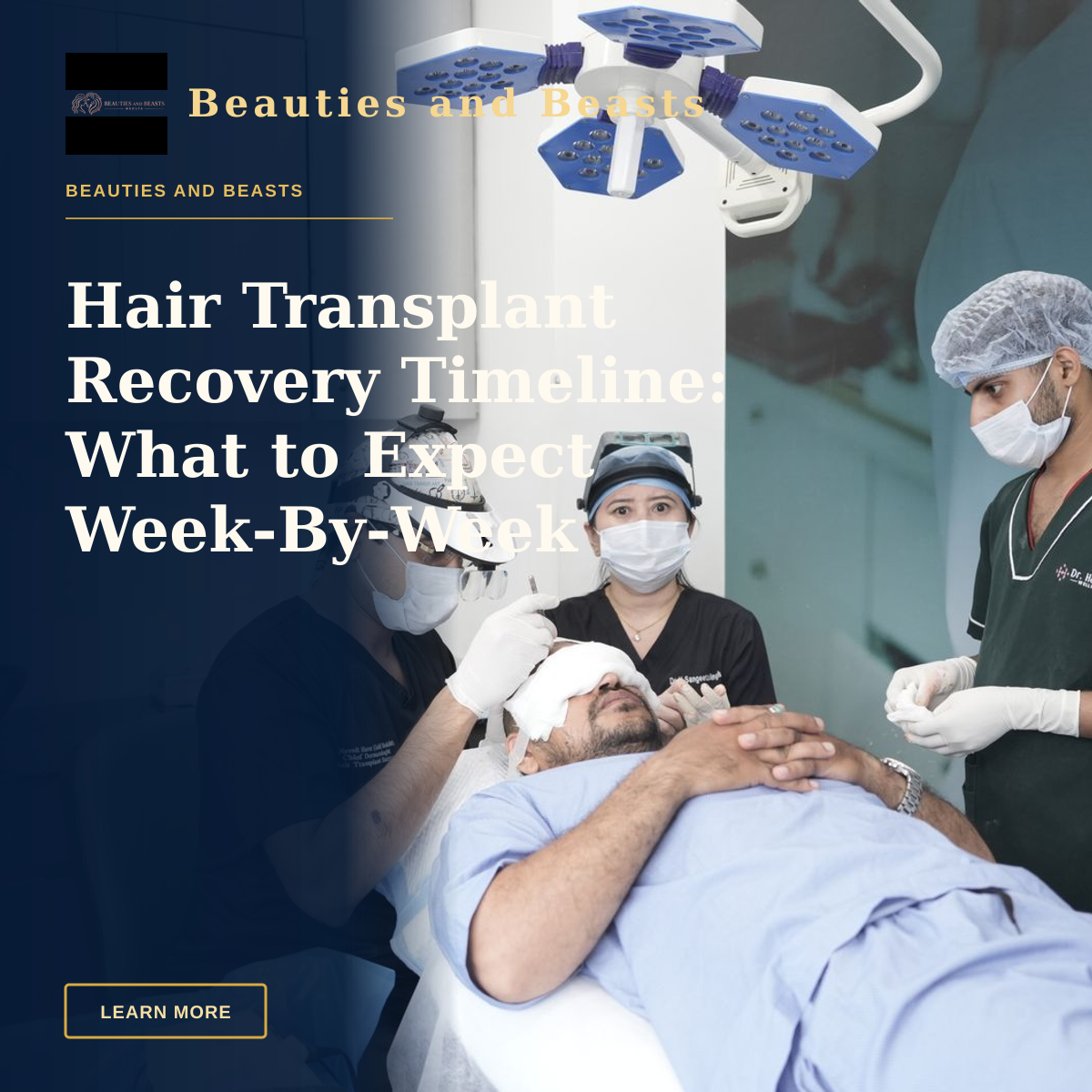
Wondering about the hair transplant recovery timeline and what to expect after a procedure? Whether you’re considering a Follicular Unit Excision (FUE) transplant or noninvasive regrowth therapies, knowing the usual stages of healing helps you plan work, travel, and exercise—and recognize normal changes versus signs that need attention. This guide gives a practical, week‑by‑week timeline plus clear next steps if something seems off.
Beauties and Beasts Med Spa offers integrated hair restoration options—surgical FUE plus noninvasive InFuze TED acoustic regrowth therapy and in‑office PRF scalp treatments—so this recovery timeline also notes how adjunctive therapies and clinic follow‑up can change the plan. If you already have a procedure date, this timeline will help you know when swelling, scabbing, shedding, and new growth usually occur and how the clinic tracks progress using objective tools.
Patient Journey & Consultation
Before any procedure, your first step is a complimentary consultation—either in clinic or remotely. Call (303) 933‑8526 or use our online booking to request an appointment. During that visit we review your goals, medical history, and perform pre‑visit diagnostics when relevant, including the FlowMediQ AI Facial Analysis for skin and scalp assessment.
Consultations cover the expected recovery timeline for the specific treatment you choose. For surgical FUE we outline the immediate 2‑week care plan and longer‑term growth milestones; for noninvasive options such as InFuze TED or scalp PRF we set expectations for session frequency and typical onset of benefit.
To make your plan practical we provide a written timeline and discuss financing or rewards details up front. Typical appointment durations are shared so you can plan time off: neurotoxin sessions are 15–20 minutes, ClearLift sessions under 30 minutes, and FUE scheduling varies by graft count and surgical logistics.
- Book a complimentary consult to map treatment and recovery for your anatomy.
- Pre‑visit diagnostics (FlowMediQ scans) take under two minutes and inform plans.
- Your custom plan includes expected downtime, follow‑ups, and aftercare instructions.
After your consultation you’ll receive a clear step‑by‑step care plan and scheduling options for the treatment day. If you choose surgery, post‑op follow‑ups and objective photo or FlowMediQ comparisons are scheduled to document healing and growth.
Beauty & Wellness, Right at Your Fingertips
Download the Beauties and Beasts App and start earning, saving, and feeling your best.
Get more from your Beauties and Beasts experience with our app. Earn rewards with every visit, discover personalized treatment recommendations, schedule appointments, shop your favorite products and services, and enjoy exclusive discounts and special offers available right in the app.
Click to get $50 off your first purchase!Typical Hair Transplant Recovery Timeline — Day 0 to 12+ Months
Recovery after a hair transplant follows predictable biological phases: immediate wound healing, a short scabbing phase, a temporary shedding (shock loss) of transplanted hairs, and then gradual anagen (growth) phase activation that produces visible hairs over months. Exact timing varies by technique (FUE vs other) and by whether adjunctive biologics like PRF are used.
Here is a common, practical timeline you can use to set expectations around appearance, care, and activity:
Day 0 (Day of Surgery)
You’ll leave with a dressing or light bandaging and written aftercare. Expect mild soreness and numbness near donor and recipient areas. Follow immediate clinical instructions for pain control and topical care.
Days 1–3
Soreness, mild swelling (especially forehead/around eyes), and small crusts on recipient sites are common. Sleep with head elevated and avoid strenuous activity. You may be given saline spray and gentle shampoo instructions.
Days 4–14
Scabs begin to form and gradually detach. Avoid picking; let scabs fall away naturally. Many clinics recommend gentle cleansing from day 3–4 per surgeon protocol. Neurotoxin or filler timelines are not relevant here, but if you receive adjunct PRF or InFuze TED it may be scheduled after initial healing.
Weeks 2–8
Most patients notice shock loss of the transplanted shaft—this is expected and does not mean graft failure. The follicle remains viable beneath the skin and will enter a resting phase before regrowth begins. Minor numbness or itchiness can persist.
Months 3–6
Initial regrowth typically starts between months 3 and 4. Hair thickness and density improve gradually. Many providers recommend MRI‑grade or objective imaging and repeat FlowMediQ scans to track changes at these checkpoints.
Months 6–12+
Most visible improvement occurs between 6 and 12 months, though fine maturation of hair (thickening and textural change) can continue beyond a year. Depending on goals, touch‑up grafting or noninvasive adjuncts (PRF, InFuze TED) may be recommended to optimize density.
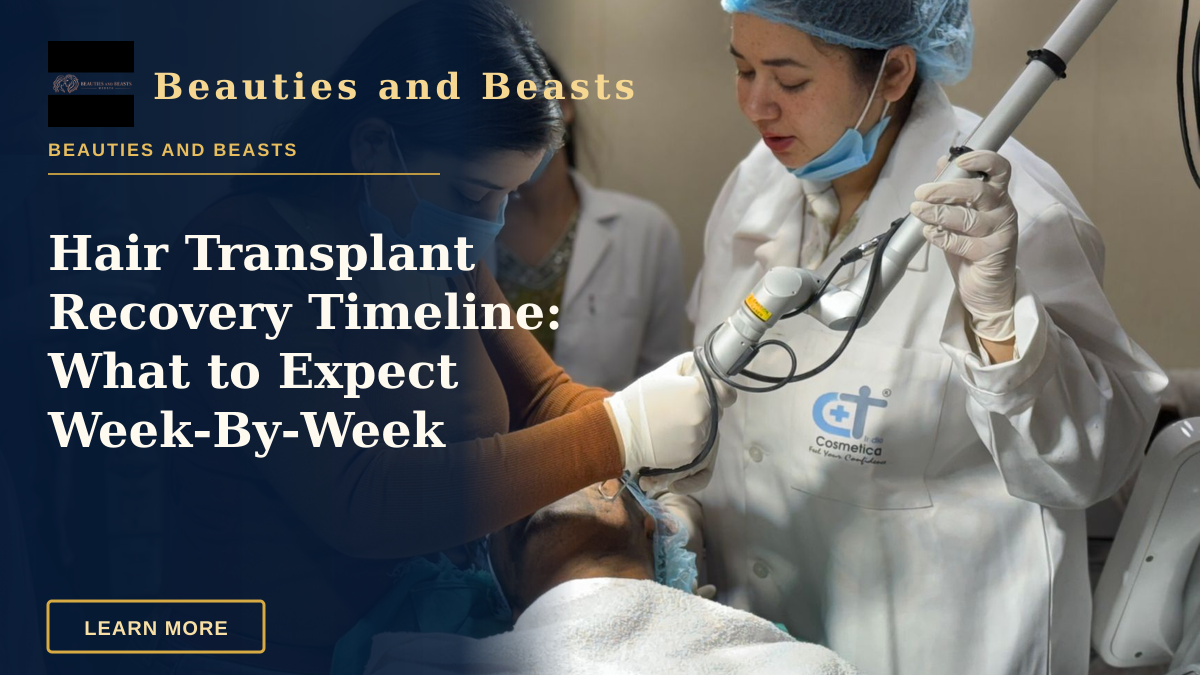
Ready to take the next step?
Book a Free ConsultationServices & Procedures
Our clinic provides an integrated med‑spa and medical approach to hair restoration and scalp health. We combine surgical and noninvasive options with regenerative biologics so treatment and recovery are coordinated with your lifestyle and goals. Below is our complete, enumerated treatment menu and the practical timing information we use to set realistic recovery expectations.
Key hair‑focused and complementary services include both operative and nonoperative pathways, diagnostics, and aftercare supports. We map expected timelines for each during your consultation so you know how long each stage of recovery will take.
- FlowMediQ AI Facial Analysis (in‑clinic skin mapping)
- Complimentary consultations (in person or via AI Skin Analysis)
- FUE (Follicular Unit Excision) hair transplantation and in‑clinic PRF scalp treatments
- InFuze TED noninvasive hair regrowth therapy for patients seeking needle‑free options
- Patient financing and rewards to support multi‑modal plans
In addition to hair‑specific items, our menu pairs aesthetic skin treatments and body contouring options that many patients combine with hair programs to address overall confidence and wellness. For example, we may recommend LMNT LED adjunct sessions or chemical peels on an alternate schedule so they don’t interfere with scalp healing.
Full menu highlights (selected entries): FlowMediQ AI Facial Analysis; complimentary consults; Botox®, Dysport®, Jeuveau®, Letybo®; Juvéderm® fillers; PRF Treatments (facial, microneedling, scalp PRF); MSC Exosomes; FUE hair transplantation; InFuze TED; custom facials and LMNT LED; VI Chemical Peels; RF microneedling including Alma Opus Colibri; Alma Opus Plasma; ClearLift (Harmony® XL PRO); DYE‑VL photofacials; Li‑FT® tattoo removal; body contouring (T‑Shape 2, TruBody, truSculpt, truFlex); IV Nutrition; BHTRT hormone replacement; GLP‑1 weight‑loss support; and more.
Explore the full scope of services and plan a consultation to get a recovery timeline specific to your treatment: Explore Our Services. You can also review focused pages like Dermal Fillers, Botox in Littleton, CO, and our FUE hair transplant details at FUE Hair Transplants — Ken Caryl.
A Complete Approach to Beauty & Wellness
Explore Our Services
We believe beauty and wellness are interconnected, which is why we offer a comprehensive range of aesthetic, wellness, body contouring, and hair restoration services under one roof. From skin rejuvenation and injectables to hormone therapy, weight management, IV therapy, and hair restoration, our approach allows us to create personalized treatment plans based on each client's unique goals—not a one-size-fits-all solution.
Explore Our ServicesHow to Tell Normal Healing From Problems
Knowing what’s expected reduces anxiety. Normal signs: mild redness, crusting at recipient sites, transient numbness, and temporary shedding of transplanted shafts. Concerning signs include increasing redness or pain after the first week, spreading warmth, pus, fever, or rapidly expanding swelling. If you notice any of these, contact the clinic promptly via our Contact page.
Practical monitoring tips:
- Photograph the donor and recipient areas regularly (same angle, lighting) to track scab resolution and regrowth.
- Keep scheduled follow‑ups so the team can compare objective images or FlowMediQ scans and adjust care.
- Follow medication and topical care instructions exactly; don’t resume blood thinners or strenuous workouts until cleared.
If you’re combining treatments—say PRF scalp injections with a later session of InFuze TED—your provider will recommend spacing so recovery from one intervention doesn’t obscure the effects of another.
Want personalized advice?
Schedule Your AssessmentTechnology & Technique
Predictable recovery and reliable outcomes start with precise technique and objective diagnostics. We deploy a curated device and biologics portfolio to match treatment energy, depth, and biologic stimulus to each patient’s tissue and goals. You can review the full services list for how technology fits into care planning: our services.
Key platforms we use for hair and adjacent care include FlowMediQ AI Facial Analysis for rapid, objective mapping; InFuze TED for acoustic, noninvasive hair regrowth; and in‑office PRF (scalp PRF) and MSC Exosomes for regenerative support. We also keep laser and microneedling platforms onsite for scalp and skin needs that support overall outcomes.
- FlowMediQ AI Facial Analysis — under two minutes for data‑driven mapping and progress tracking.
- InFuze TED — acoustic therapy for needle‑free stimulation of scalp follicles, useful as an adjunct during recovery.
- Alma Opus Colibri & Opus Plasma — RF microneedling and plasma resurfacing used selectively for delicate areas when indicated.
- PRF & MSC Exosomes — autologous biologics processed in‑house to help tissue regeneration in the scalp and elsewhere.
Choosing the right combination matters: for example, RF microneedling too soon after a transplant is not advised, while a planned series of PRF sessions beginning several weeks after grafting can be timed to support early follicular health. Our technology choices are deliberately complementary so we can tailor recovery‑sparing protocols to each patient.
Beauty Has Its Rewards
Get the App
Download our rewards app, earn points, unlock exclusive perks, and get rewarded for taking care of yourself.
Get the App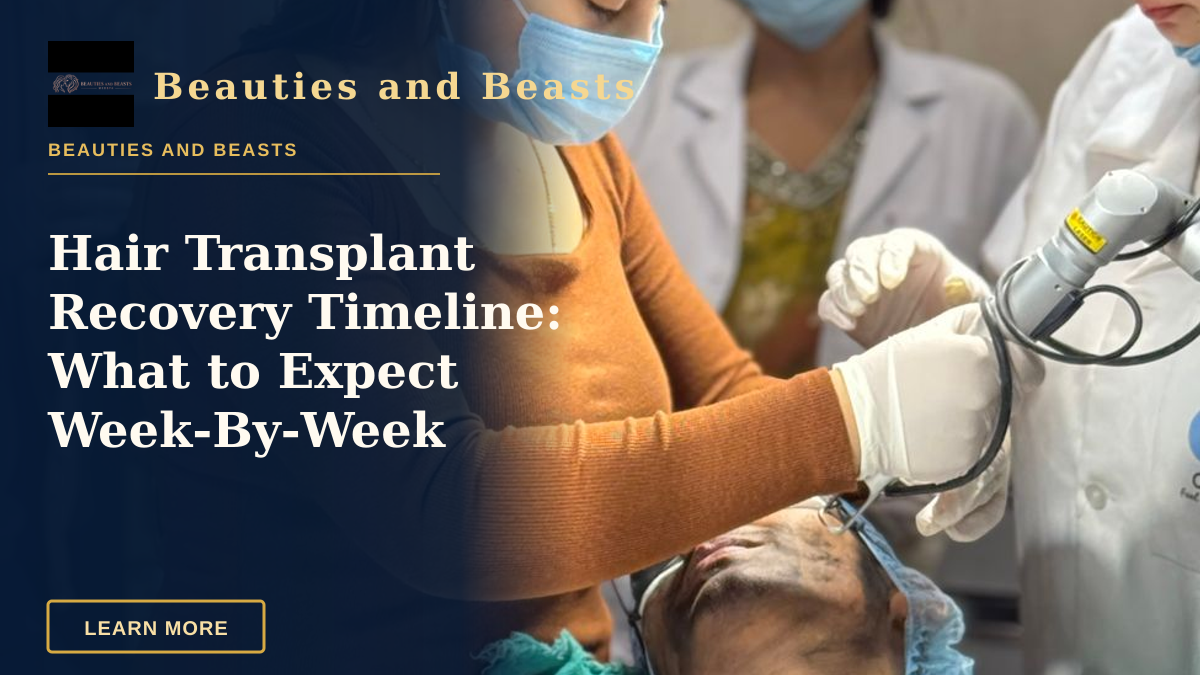
Post‑Op Care: Practical Tips for Faster, Safer Healing
Simple daily routines make a big difference in recovery. Follow these practical, commonly recommended measures unless your surgeon gives different instructions:
- Gentle cleansing: use the clinic’s recommended shampoo and avoid scrubbing the recipient area for the first 7–10 days.
- Sleep with head elevated for 3–5 nights to reduce swelling; use a soft pillow to avoid pressure on grafts.
- Avoid heavy lifting and vigorous exercise for at least 1–2 weeks (timeline individualized by graft count and provider guidance).
- Protect the scalp from sun exposure and wear a loose hat after the initial scabbing phase.
Products and adjuncts: your provider may suggest topical saline, antibiotic ointment for donor sites, or PRF/MSC Exosomes as biologic support. Supplements like maintaining adequate hydration and a balanced diet support tissue repair, but always confirm new medications or supplements with your provider.
If you’re considering noninvasive maintenance or enhancement—such as InFuze TED sessions or laser protocols—those can be scheduled around the documented recovery milestones to avoid overlapping acute healing periods.
See how we can help you
Get Started TodayResults & When to Consider Follow‑Up Treatments
Expect most visible change between months 6 and 12. If by month 9–12 your density or distribution does not meet your goals, many patients choose touch‑up grafting, PRF boosts, or ongoing InFuze TED sessions. Your provider will compare serial photographs and objective scans to determine if additional procedures are appropriate.
For women and men with diffuse thinning, combining surgical grafting with noninvasive modalities often yields a more complete cosmetic result and can alter the timeline for when boosts are recommended. Use the clinic’s tracking tools—photos and FlowMediQ data—to make informed decisions about when to proceed with follow‑up interventions.
Conclusion
A realistic hair transplant recovery timeline helps you prepare for the short‑term inconveniences and the longer‑term wait for meaningful regrowth. Initial healing and scab resolution typically occur in the first two weeks; shock loss can follow in weeks 2–8; visible regrowth frequently begins around month 3 and matures through 12 months. Adjunctive therapies like PRF and InFuze TED can be timed to support these phases and may alter when you see improvement.
If you want a recovery plan tailored to your anatomy and lifestyle, the most useful next step is a complimentary consultation. The team will map a personalized timeline, explain how we use diagnostic tools and regenerative options to support healing, and schedule follow‑ups to monitor progress. Book a consult or use our online booking to get started.
Next Step
Locations & Access
Discover how our team can help you take the next step with confidence.
Contact UsFAQ
Will my transplanted hair fall out? Yes. Temporary shedding of the transplanted shaft (shock loss) is common in weeks 2–8; the follicle generally remains intact and begins producing new hair in months 3–6.
When can I wash my hair after transplant? Follow your surgeon’s protocol; most teams recommend gentle rinsing and a specific shampoo starting around day 3–4, with strict avoidance of vigorous scrubbing for the first week or more.
How soon can I exercise? Strenuous exercise is usually postponed for 1–2 weeks; timing is individualized by graft number and your provider’s instructions.
When should I call the clinic? Contact your provider if you have worsening pain, spreading redness, pus, fever, or any rapid change in the donor or recipient area after the initial healing period.
Locations & Access
We are a single, full‑service Ken Caryl Littleton clinic serving southwest Denver. Our address and contact details are below so you can schedule a consultation, upload pre‑visit photos for an AI pre‑scan, or request financing information.
Clinic address — 10354 W. Chatfield Ave, Suite 203, Littleton, CO 80127
Phone — (303) 933‑8526
Email — [email protected]
Hours — Mon–Fri: 9:00 AM – 5:00 PM; Sat: By Appointment Only; Sun: Closed. If you can’t visit in person, we offer complimentary consultations and remote FlowMediQ AI Facial Analysis pre‑scan workflows so we can begin planning from afar.
- Book a complimentary consultation or request an AI pre‑scan before your visit.
- We provide clear, written pre/post instructions so you know exactly how to prepare and what to expect during recovery.
- Serving Ken Caryl, Littleton, and the southwest Denver metro area with same‑week appointments when available.
To request an appointment, pre‑visit forms, or financing details, call us or use our Contact Us page. You can also learn more about our team and services on the About Us and Services pages, or schedule directly via Online Booking.
Next Step
Locations & Access
Discover how our team can help you take the next step with confidence.
Contact UsMedical Information Disclaimer
This content is provided for general educational purposes only. It is not a substitute for professional advice, diagnosis, or treatment. Readers are advised to consult qualified professionals for personalized recommendations.
Explore more insights on our blog or schedule a consultation.
Have questions? We have answers.
Speak With an Expert